
 Brad Nguyen
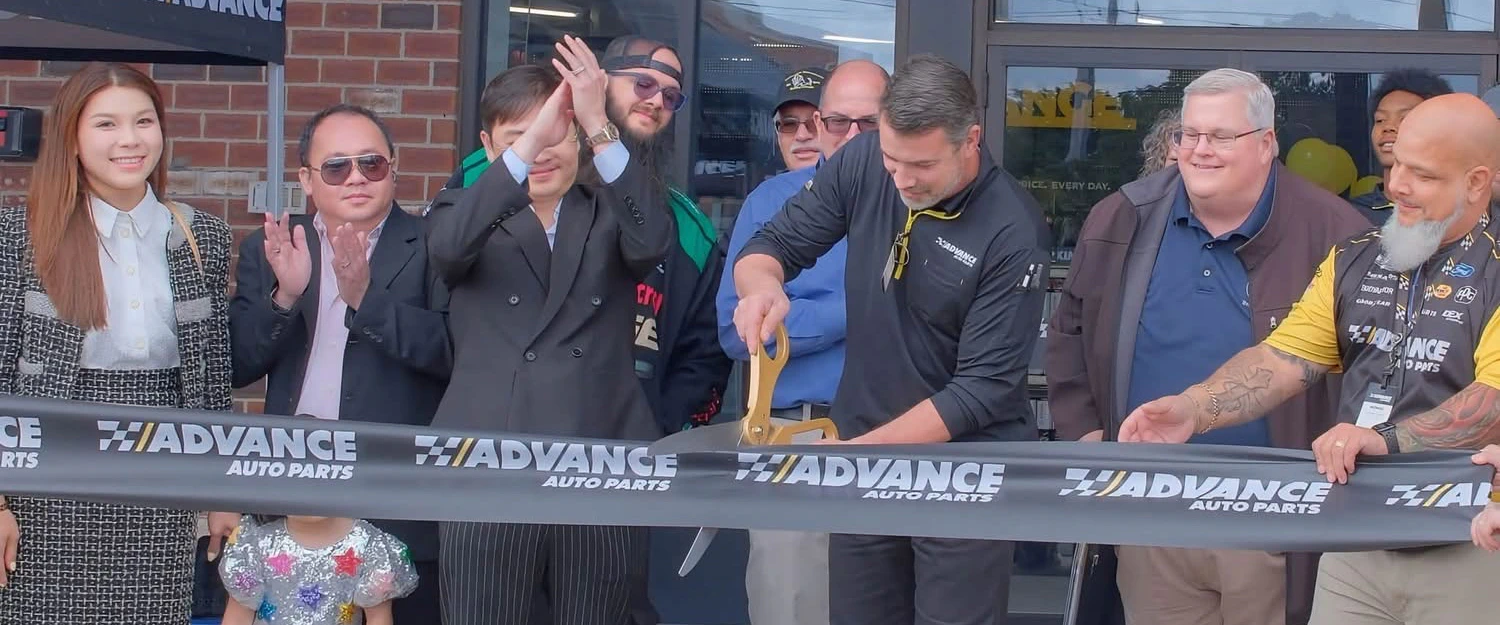
A ribbon cutting marks a visible milestone in a property’s evolution. Behind it are decisions that begin long before a new storefront opens: understanding the market, evaluating prospective tenants, negotiating a sustainable agreement, and preparing the property to support the business.
On September 24, 2026, Advance Auto Parts is scheduled to celebrate the opening of its approximately 27,000-square-foot Market Hub at The Shops at Randolph. For our ownership team, this milestone reflects a deliberate approach to repositioning retail real estate through careful tenant selection and active asset management.
We spent considerable time working with prospective tenants and evaluating different possibilities for the space. Our objective was to identify a long-term partner whose operating needs aligned with the property’s strengths and whose presence could contribute to a stronger retail destination.
Recognizing potential beneath underperformance
An underutilized property can have strong fundamentals that its current performance does not fully reflect. Accessibility, available space, and surrounding demand may create opportunities that the existing tenant mix has yet to capture.
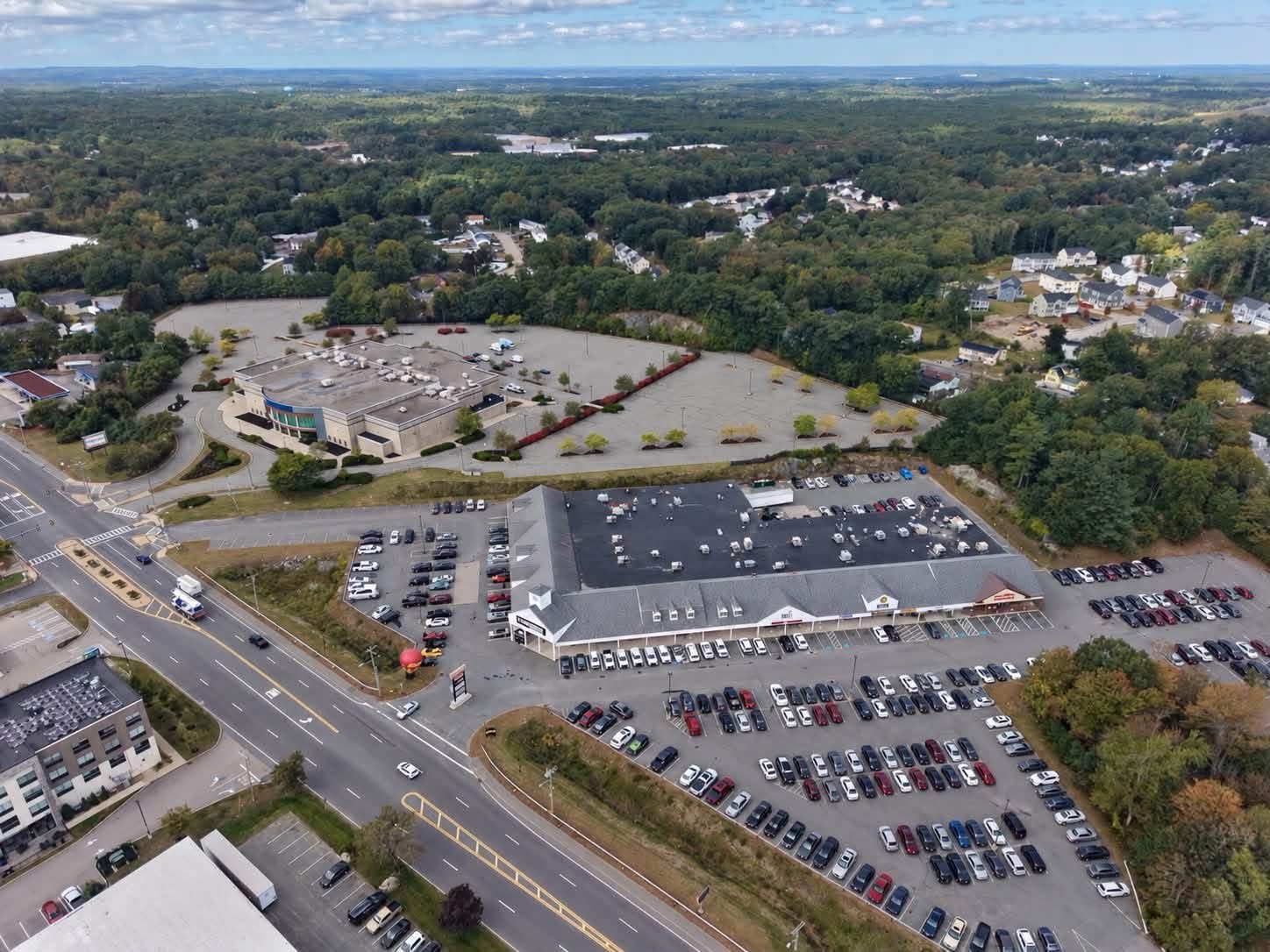
The Shops at Randolph benefits from access to Route 24 and Route 139, connecting the property with Randolph, Canton, Stoughton, and neighboring communities. From an ownership perspective, that regional accessibility is an important advantage for businesses serving customers across multiple communities.
Capturing that potential requires a clear operating strategy. Owners must understand why people would visit, what businesses need to succeed there, and how the physical property can support those activities.
The central question becomes: which uses can turn the location’s advantages into sustainable demand?
Choosing a tenant is a long-term investment decision
Every lease shapes a property’s future. It influences rental income, capital requirements, customer activity, daily operations, and the opportunities available for other spaces.
Throughout our conversations with prospective tenants, we looked beyond the proposed financial terms. We considered operational fit, infrastructure needs, and how each business would function within the broader center.
That process takes patience. A business can be successful in another location and still be the wrong fit for a particular property. Finding the right partner requires alignment between the tenant’s business model and the owner’s long-term plan.
Securing a long-term agreement with Advance Auto Parts was a meaningful outcome of that work. As of July 18, 2026, the company reported 4,311 company-operated stores, primarily in the United States, with additional locations in Canada, Puerto Rico, and the U.S. Virgin Islands. Source: Advance Auto Parts
Its national presence brings recognition. The planned role of the Randolph Market Hub gives this location significance within the property and the surrounding business community.
Aligning the space with the operation
The approximately 27,000-square-foot Market Hub is planned to combine three complementary functions:
- Retail parts and accessories for everyday drivers and do-it-yourself customers.
- Commercial parts sales serving repair shops, body shops, and automotive professionals.
- Regional inventory distribution supporting Advance Auto Parts locations across Massachusetts.
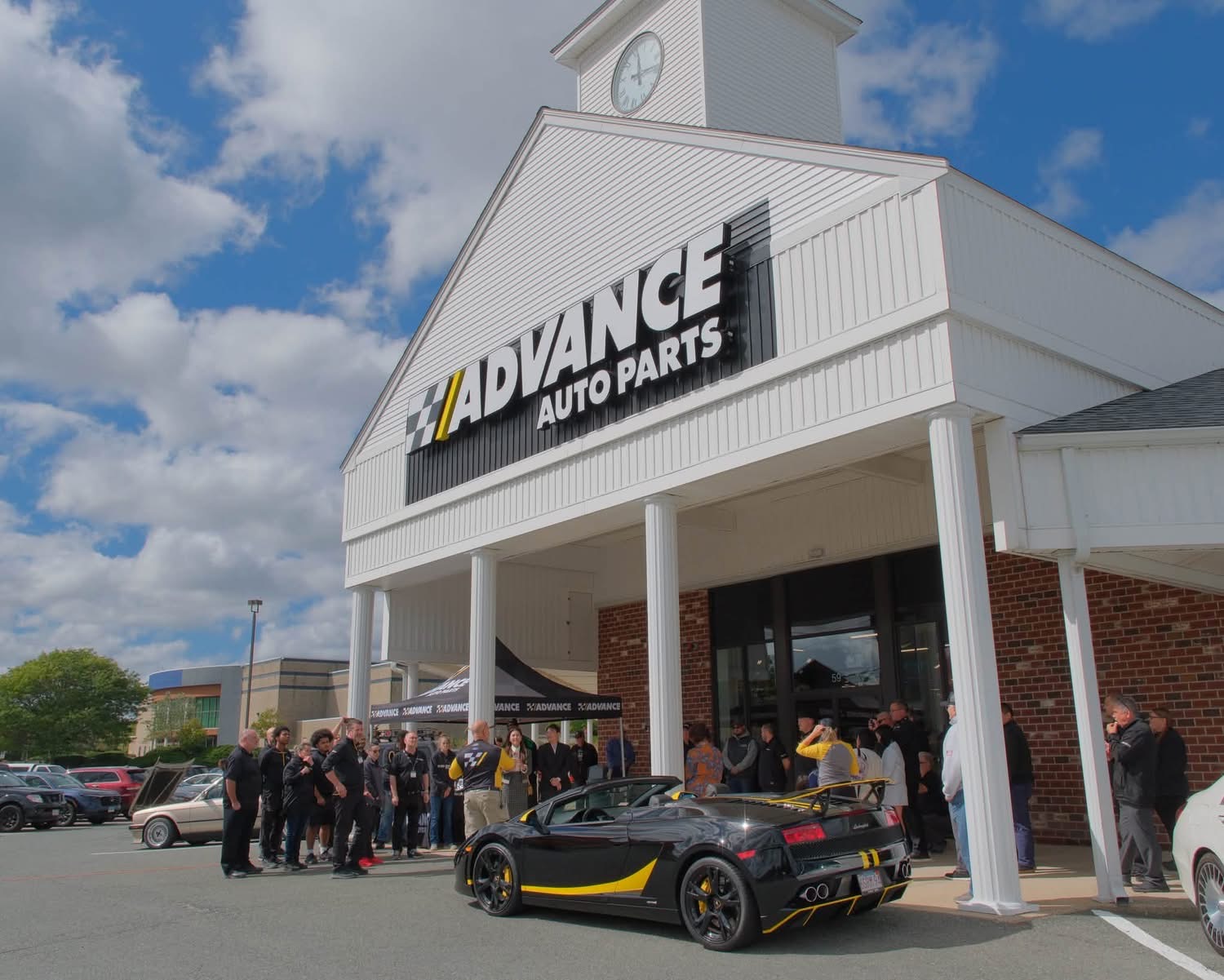
From our perspective, this combination aligns with the property’s scale and regional connectivity. It creates a location that can serve household maintenance needs, support local automotive businesses, and participate in a broader inventory network.
That operational scope also brings responsibilities. Customer parking, delivery access, loading, and circulation must function together while maintaining a convenient experience for neighboring tenants and their customers.
“A well-structured lease establishes the relationship. Effective property operations help sustain it.”
Building a stronger tenant mix
A shopping center functions through the combined activity of its businesses. Each tenant brings different customers, hours of operation, and reasons to visit.
National operators can contribute brand recognition and established systems. Strong local businesses bring distinctive offerings, personal relationships, and connections to the surrounding community. A thoughtful mix creates more opportunities for the property to become part of customers’ regular routines.
Additional traffic can benefit neighboring tenants, but those benefits require attention. Clear signage, convenient access, coordinated promotion, and well-maintained common areas help visitors engage with the broader center.
For owners, tenant selection is therefore both an individual leasing decision and a decision about the future identity of the property.
Sequencing capital improvements with discipline
Repositioning requires clear priorities for capital investment.
Building systems, lighting, access, and other infrastructure needs should be evaluated alongside improvements to appearance and signage. Each expenditure should address a practical requirement or support a credible leasing opportunity.
The sequence matters. Investing before understanding an intended use can create avoidable costs. Delaying essential improvements can limit a tenant’s ability to open or operate effectively.
Our view is that capital decisions should connect directly to the property’s function: supporting reliable operations, improving the customer experience, and preparing spaces for sustainable use.
Visual improvements help communicate progress. Operational improvements make that progress durable.
Connecting an opening to the community
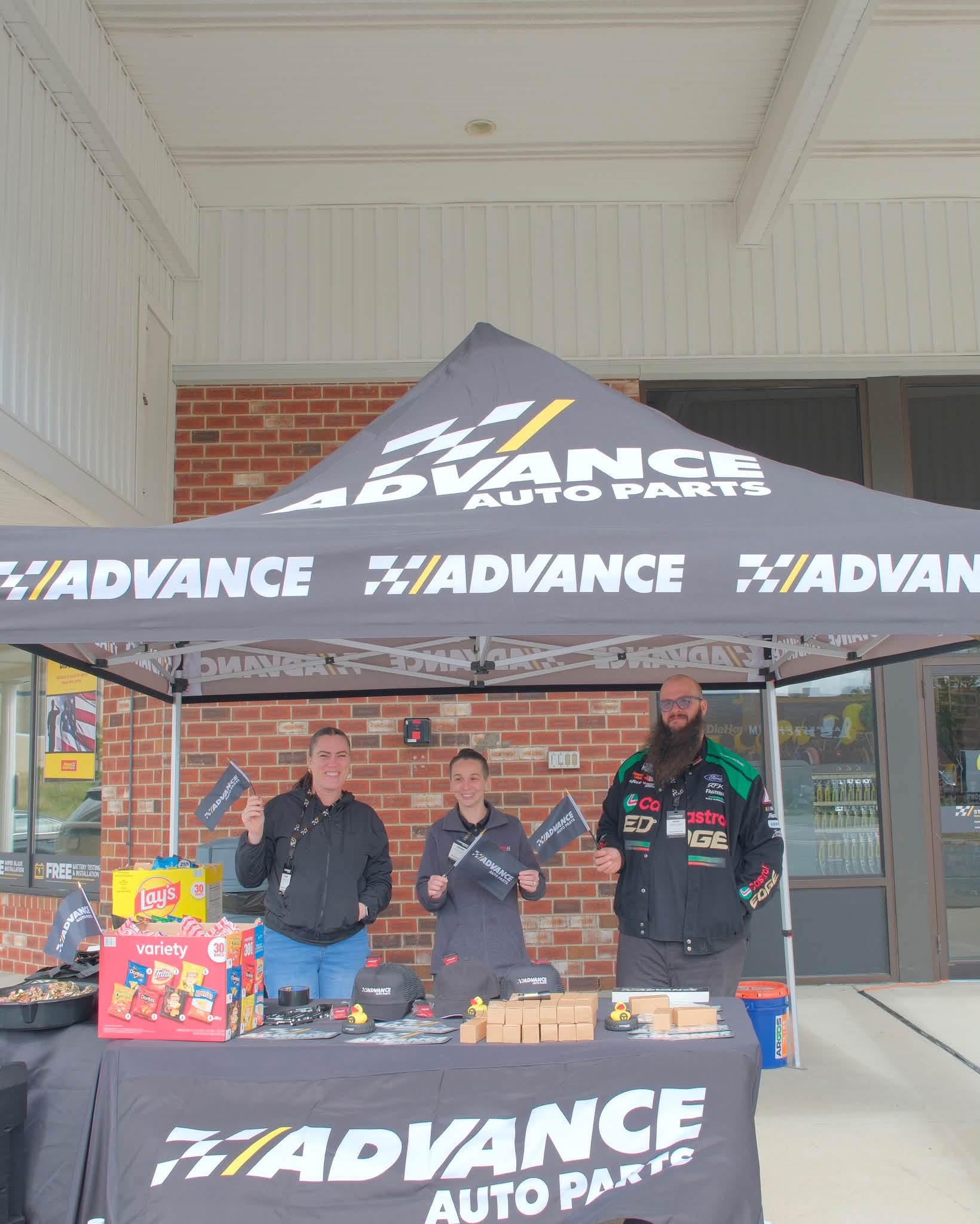
The September 24 celebration at 59 Mazzeo Drive, Randolph, Massachusetts, will introduce the Market Hub through a ribbon cutting and community activities. Additional events throughout September and October are planned to include a car show and practical vehicle education.
These events give the new business an opportunity to build relationships with the people it will serve. They also invite visitors to discover the wider shopping center and its businesses.
Opening celebrations and event details are available through The Shops at Randolph.
Measuring progress beyond occupancy
Occupancy is an important indicator of progress. A fuller assessment also considers tenant retention, reliable rent collection, operating costs, customer convenience, and the quality of future leasing demand.
The Advance Auto Parts opening represents a meaningful milestone in the ongoing repositioning of The Shops at Randolph. Its long-term contribution will develop through daily operations, customer relationships, and its role within the broader property.
At Gloria Capital, active ownership means remaining engaged throughout that process: understanding the asset, selecting tenants carefully, investing with purpose, and responding to operating needs as they evolve.
The work continues after the ribbon cutting. Lasting value comes from creating the conditions for businesses to succeed and keeping the property relevant to the community it serves.

Brad Nguyen
Chairman & Co-Founder, Gloria CapitalBrad focuses on long-term investment strategy, commercial real estate, acquisitions, governance, and platform development across the Gloria Capital portfolio.