

 Quynh Pham
When I look at an established retail business, I see years of relationships behind the storefront. Customers who know where to find their favorite products. Employees who understand the neighborhood. Vendors who have worked with the business through different seasons. A name people recognize and trust.
Those assets take time to build. They are also easy to underestimate when a store’s appearance, systems, or marketing have fallen behind.
Through my work in retail ownership and operations, I have come to appreciate the opportunity inside these businesses. An established retailer can have a strong foundation and still have considerable room to improve. The work begins with understanding what customers value, where the operation is underperforming, and which changes will make the business stronger over time.
The hidden value inside a legacy business
Some of a retailer’s most valuable assets are difficult to capture in a financial statement.
A convenient location may be part of a customer’s weekly routine. A knowledgeable employee may be the reason someone keeps coming back. Longstanding vendor relationships may provide continuity, product knowledge, and a better understanding of local demand. Operating history, licenses, and community recognition can also contribute to the foundation a new business would have to build.
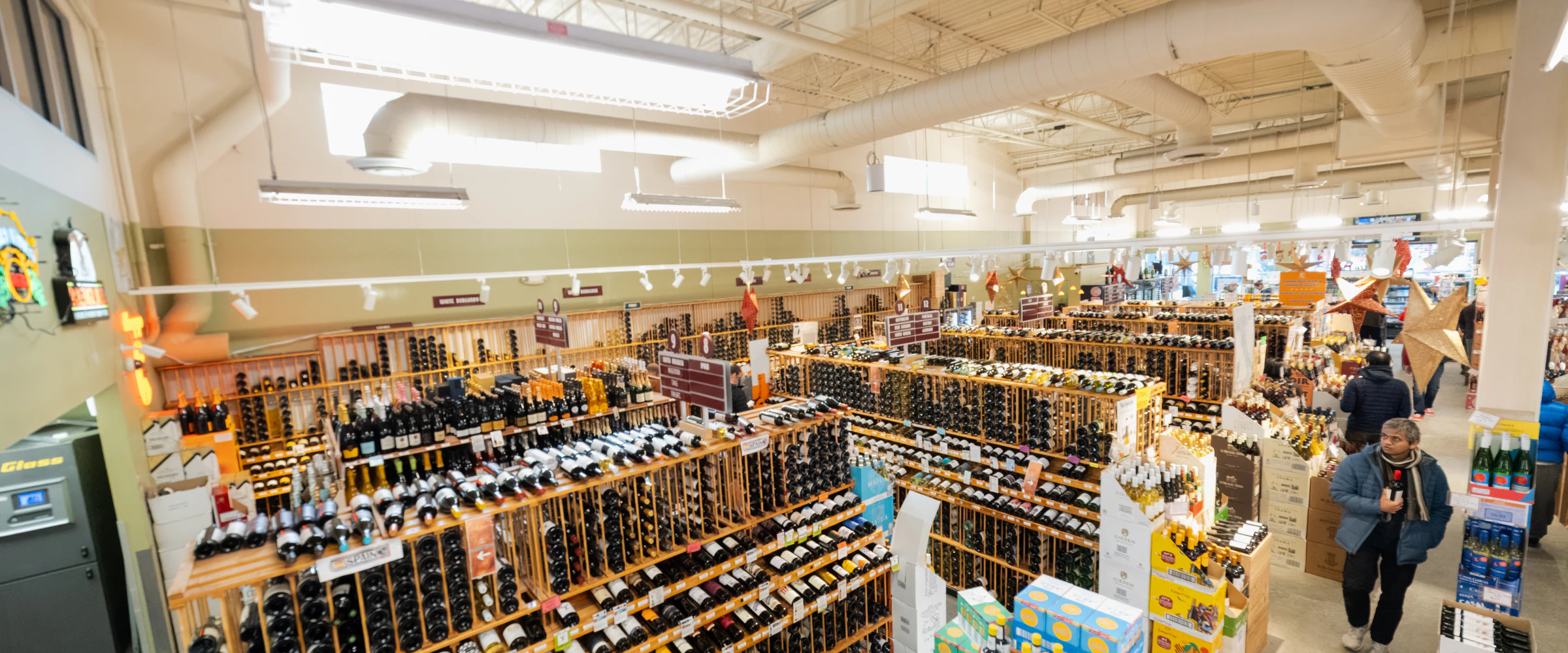
In wine and spirits retail, familiarity matters. Customers remember a helpful recommendation, a product they could not find elsewhere, or a team member who took the time to understand their preferences.
Before making changes, I believe an owner needs to understand why people already choose the business. That knowledge helps determine what to preserve and where to invest.

Why history alone does not protect future performance
A long history gives a business a starting advantage. Its future still depends on how well it serves customers today.
Shopping habits evolve. Customers discover products online, compare options before visiting, and expect accurate information about pricing and availability. Meanwhile, operating expenses and competition can put pressure on a store that appears busy.
An established business can gradually lose relevance through small, repeated frustrations: an unavailable favorite, confusing shelves, inconsistent service, or outdated store information online.
Owners need to stay close to those details. They need to ask whether the selection reflects current demand, whether employees have the tools to do their jobs, and whether customers have a clear reason to return.
Longevity becomes more valuable when it is supported by continued attention.
Financial controls before aggressive growth
My finance and accounting background shapes how I approach retail. Before expanding a business, I want to understand how its existing operation produces profit and uses cash.
Sales are one part of that picture. Gross margin, payroll, occupancy costs, inventory investment, and other operating expenses determine how much of that revenue remains available to support the business.
A busy store can still have cash tied up in slow-moving merchandise. Higher sales can bring additional labor and fulfillment costs. A promotion can increase activity while contributing very little profit.
Reliable reporting helps owners see these issues early. Consistent reconciliations, purchasing approvals, expense reviews, and clear accountability create a stronger basis for decisions.
That discipline also helps identify what deserves more investment. When an owner understands which categories perform, where costs are increasing, and how much cash the operation needs, growth becomes easier to evaluate and manage.
Inventory and purchasing discipline
Inventory decisions shape both the customer experience and the financial health of a retailer.
Customers expect their favorite products to be available. At the same time, every item on a shelf represents money committed to the business. Too much inventory can limit the cash available for staffing, improvements, or other priorities.
Purchasing requires a balance between availability, variety, margin, and how quickly products sell.
A vendor discount may look attractive, but the value depends on whether the business can sell the additional quantity within a reasonable period. A broad selection may attract customers, but it still needs to reflect what those customers actually buy.
I believe purchasing works best when sales information and employee knowledge inform each other. The numbers show patterns. The team hears requests, notices changing preferences, and understands why someone leaves without making a purchase.
Regular inventory reviews turn that information into action: replenishing dependable sellers, adjusting quantities, testing new products thoughtfully, and addressing merchandise that has stopped moving.
Modernizing the customer experience
Some of the most meaningful retail improvements are practical and visible.
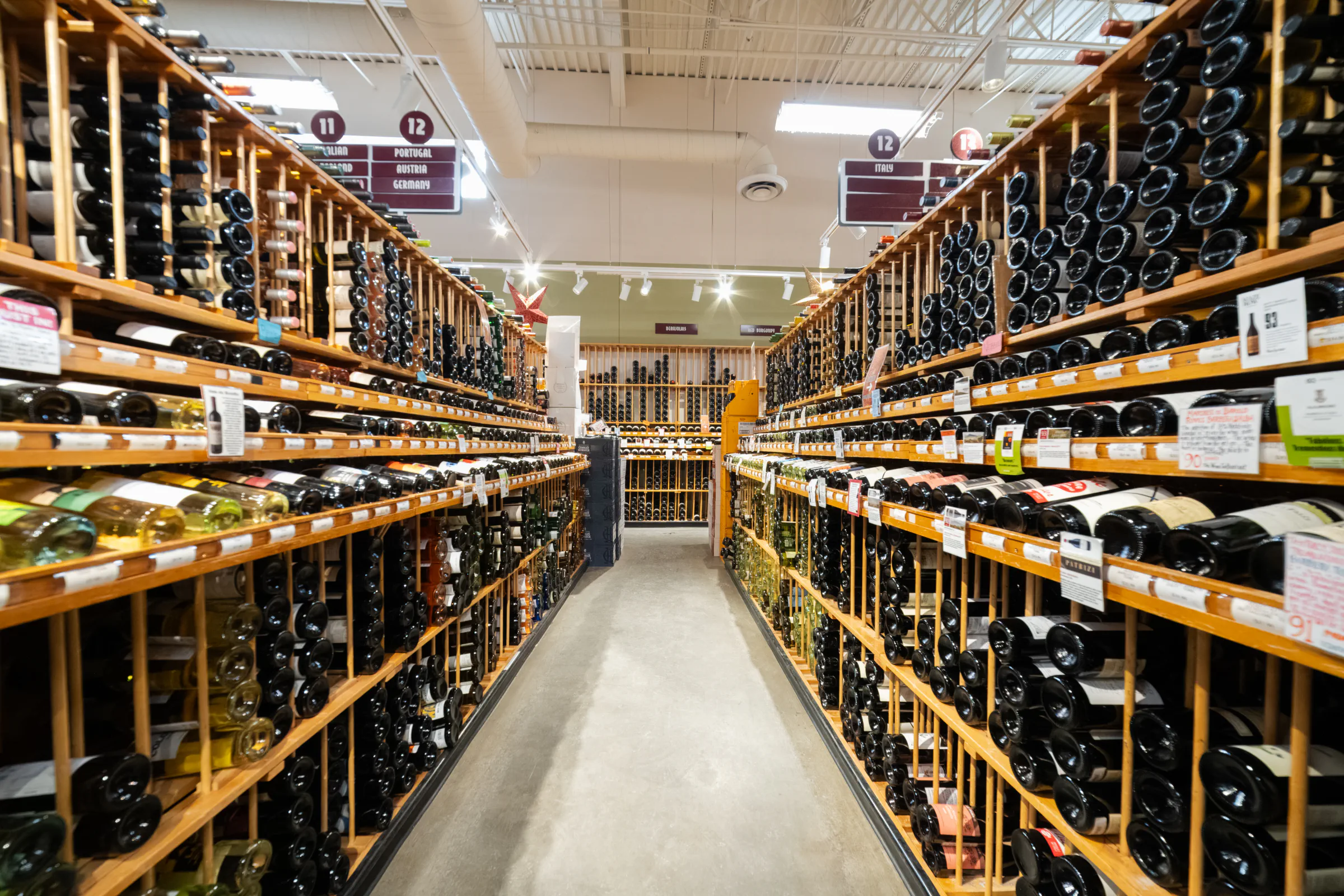
Clear signs help customers navigate. Organized shelves make products easier to compare. Good lighting makes the store more welcoming. Accurate pricing and an efficient checkout build confidence in the shopping experience.
Service deserves the same attention. Employees need product knowledge, clear expectations, and a consistent way to handle questions or problems. Customers should feel comfortable asking for help and confident that the information they receive is reliable.
For a legacy retailer, these improvements should reflect the character of the business. A neighborhood store may be valued for its approachable staff and personal recommendations. Modernization should make it easier for that team to deliver the experience customers already appreciate.
The strongest changes solve everyday problems in ways people can feel.

Connecting physical retail with digital channels
A physical store’s relationship with customers often begins before they walk through the door.
Someone may discover the business through social media, check its hours online, browse products, or place an order for pickup or delivery. Each interaction shapes what they expect from the store.
Digital channels therefore need the same operating discipline as the sales floor. Product names, sizes, prices, and availability need attention. Orders need a clear process for checking accuracy, preparing merchandise, and completing the handoff.
The economics matter as well. Additional revenue from an online channel should be evaluated alongside platform fees, fulfillment time, and the cost of resolving errors.
For an established retailer, a useful digital presence extends existing strengths. Product knowledge can become helpful content. A strong selection can become easier to discover. Familiar service can reach customers through another convenient way to shop.
The opportunity is to make the business more accessible while delivering consistently across every channel.
Preserving trust during transformation
Change affects the people who helped build the business.
Employees may have valuable knowledge that has never been documented. Longtime customers may feel attached to familiar products or routines. Vendors may understand patterns that a new owner has yet to see.
Listening to those perspectives can improve both the decisions and the way they are implemented.
I believe owners should communicate changes clearly, explain their purpose, and give employees the training needed to support them. Customer feedback can then help reveal whether an improvement is working as intended.
Trust grows when the business continues to keep its promises: dependable service, accurate information, thoughtful selection, and a willingness to resolve problems.
That is why I see meaningful potential in legacy retail. These businesses already have relationships worth investing in. With stronger financial controls, disciplined purchasing, better customer experiences, and well-managed digital channels, they can build on that foundation.
For me, responsible ownership means respecting what people have built and doing the daily work required to give it a strong future.

Quynh Pham
Co-Founder & Chief Executive Officer, Gloria CapitalQuynh leads portfolio operations, finance, talent, and technology across Gloria Capital's operating businesses.